Over the last 150 years, coal has been our main energy source and driver of economic progress. Though coal was great for industry, it was hard on the health of the people who mined it and used it. The great smog of London occurred from December 5 to 9, 1952, when a severe temperature inversion trapped coal smoke and industrial pollutants over the city, killing an estimated 10,000 to 12,000 people and making 100,000+ ill. Many coal miners have died from being trapped in mine cave-ins, and even more have died from black lung disease from breathing coal dust. In the U.S., more than 100,000 coal miners have died from black lung disease (coal workers’ pneumoconiosis) since the early 20th century.
However, much of our electricity is still being produced by coal-fired power plants. There has been pressure on the power companies to phase them out, but they make their greatest profit from burning coal. Lately, the coal industry has tried to convince people of the advantages of using coal. It has been labeled “clean coal”, and it even has its own cute mascot, Coalie. Calling coal clean and giving it a cute mascot doesn’t disguise the fact that burning coal is hazardous to people’s health.

Much of the damage to the environment and people’s health is not immediately apparent. Coal-fired power plants emit mercury, lead, cadmium, particulates, sulfur oxides, nitrogen oxides, and greenhouse gases. An estimated 460,000 deaths in the U.S. were attributable to coal-fired power plant pollution between 1999 and 2020. Pollution from these plants causes thousands of annual deaths from fine particle pollution, along with widespread cases of asthma, heart attacks, and respiratory illnesses. Many of the toxic metals have been showing up in people’s blood and even in the fish we eat. The greenhouse gases emitted have caused the Earth to warm, and many weather-related disasters can be attributed to global warming. Perhaps, in reality, Coalie should look more like this:

Methane has been touted as an alternative to coal, but it has its own problems. Most of the environmental damage occurs from methane production by fracking, which causes earthquakes, contaminates groundwater, and releases greenhouse gases. Methane is 80 times more potent as a greenhouse gas than carbon dioxide, and it is now responsible for 25% of the global warming we are experiencing.
Also, fossil fuels do not pay their external costs. They just release their waste products into the atmosphere and hope they go away. But unfortunately, they don’t. There is a significant economic cost associated with this practice. Nicholas Stern, President of the World Bank, in his 2006 review, predicted that without action, the overall costs of climate change would be equivalent to losing at least 5% of global Gross Domestic Product (GDP) each year, now and forever. And, unabated, the cost could rise to 20% or more of global GDP by 2050.
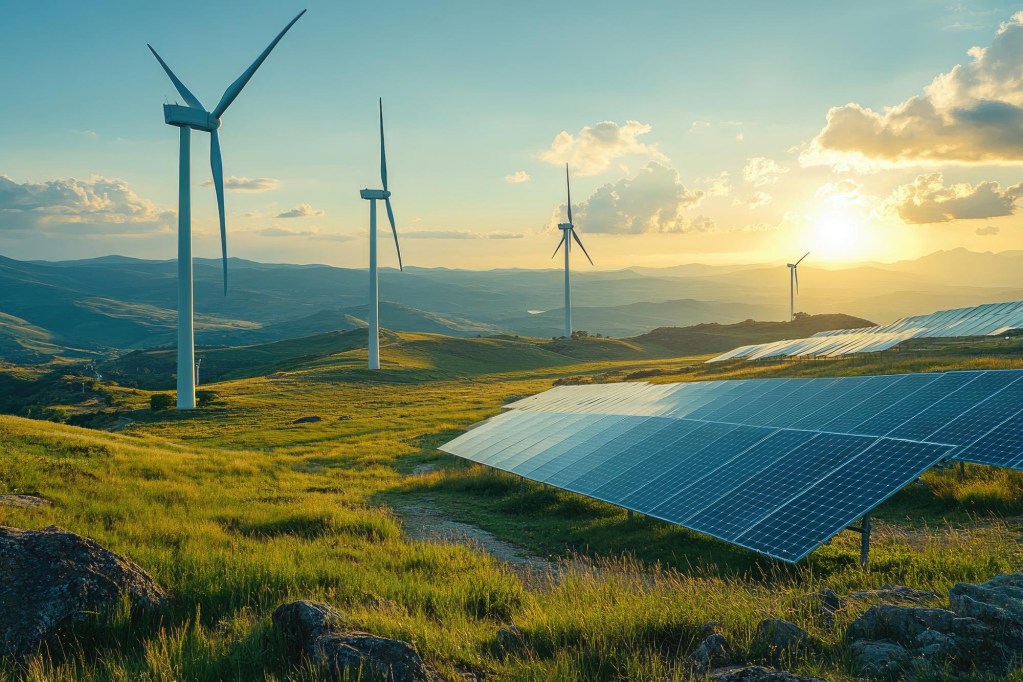
In the past, fossil fuels were our main source of energy. Now, however, we have much less expensive and cleaner alternatives. The levelized costs of energy sources are about 13.5 cents per kilowatt-hour for coal, 7.5 cents per kilowatt-hour for methane, 6 cents per kilowatt-hour for solar, and 5 cents per kilowatt-hour for wind. Perhaps it’s time we change to Sunny for our Energy mascot:

Note: The levelized cost of energy generally includes construction, operation, fuel, and decommissioning costs. https://medium.com/@jonathangunnell/lcoe-levelized-cost-of-energy-608be2d0a65e. It does not include subsidies or external costs, such as environmental damage, public health burdens, and climate change impacts.
Leave a Reply